

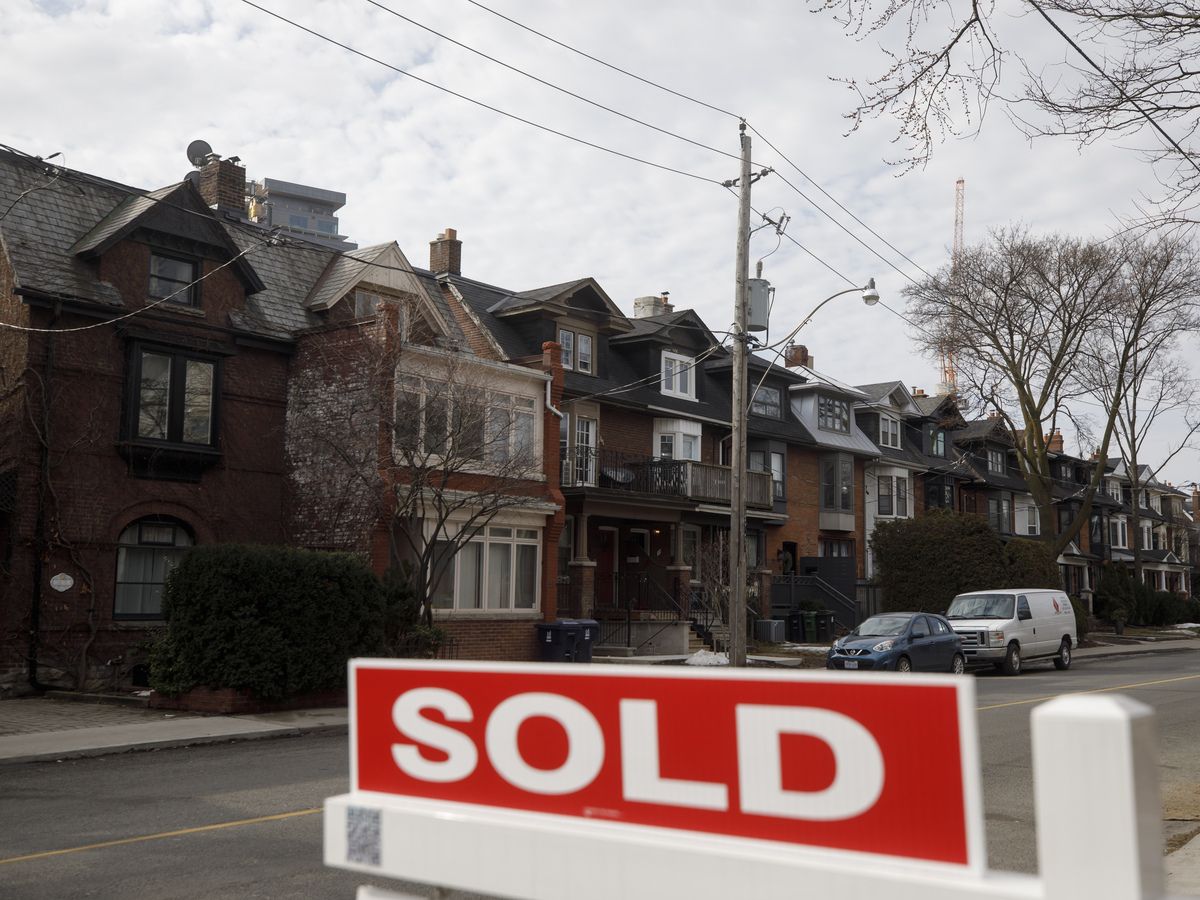
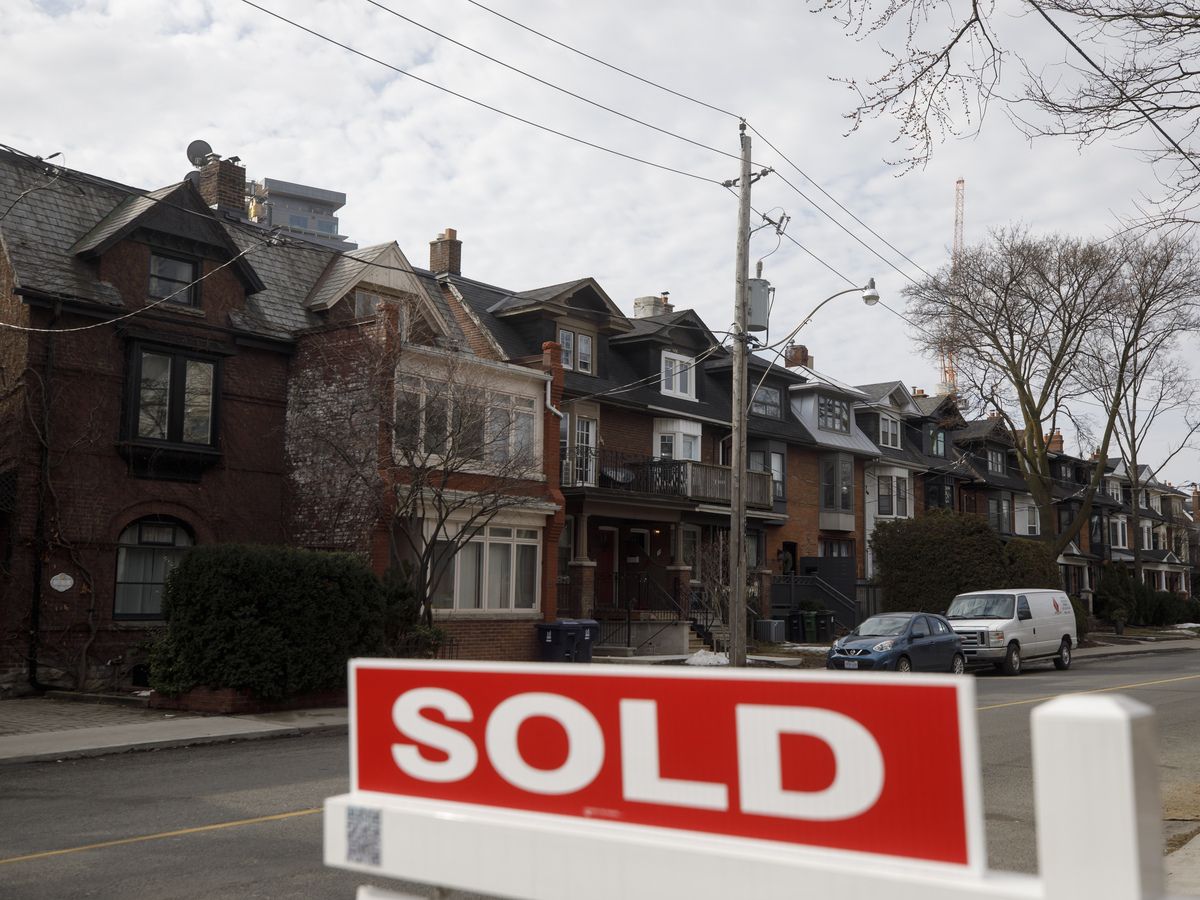
The number of available homes in the Toronto real estate market trended lower last month while home sales improved in what the Toronto Real Estate Board is calling a “tightening” that may draw hesitant buyers off the sidelines.
In April, 5,946 homes traded hands, an increase of about seven per cent year over year, according to the latest TRREB data. New listings, however, were down 9.3 per cent from the same period a year ago.
“We have experienced an uptick in home buying activity so far this spring. Buyers have taken advantage of more affordable housing market conditions on the back of lower home prices ,” TRREB president Daniel Steinfeld said. “If market conditions continue to tighten and home prices level off, this could be a signal to intending homebuyers who remain on the sidelines.”
April marked the strongest month for sales for the year so far, and the strongest April in two years. Sales figures in April 2025 came in at 4,296, the lowest reporting for that month in 30 years.
Still, sales remain below levels seen in earlier spring markets, including roughly 7,100 in April 2024 and 8,000 in April 2022. According to TRREB, activity peaked at 13,700 sales in April 2021.
The board attributes the relatively subdued early spring results to global instability.
“More certainty on the trade front and an easing in geopolitical tensions would result in further improvements in market activity,” said TRREB’s chief information officer Jason Mercer.
The MLS Home Price Index composite benchmark slipped 6.6 per cent year over year, while the average selling price fell 4.9 per cent to $1,051,969 compared to a year ago.
In March, the average number of days on the market stood at 31, while in April that number increased to 43 days — 16 per cent longer than the same month last year — shifting the market further into buyers’ territory.
“Buyers are taking their time to make the right decisions. They are viewing properties twice, and thrice if necessary. (They) are not making rushed decisions, but they are definitely being decisive,” said Davelle Morrison, a broker at Bosley Real Estate Brokerage Ltd. in Toronto.
According to Morrison, homes in pockets such as Leaside and Midtown are selling quickly, while other areas are taking longer, particularly if they lack features such as parking.
Condo sales picked up in April, jumping by 9.1 per cent and competing with detached sales, which rose 9.2 per cent year over year. Last month, condo sales only increased by 1.7 per cent.
The benchmark price for a condo in Toronto fell 8.9 per cent to $540,200 year over year.
Morrison said buyers “have an upper hand” due to ample supply, which allows them significant negotiating power.
Still, she explains that inventory remains high relative to demand.
“Condos of all sizes are still sitting on the market and, for listing agents and sellers, it’s painful waiting for showings to take place,” she said. “Then you hold your breath waiting for the buyer’s feedback in the hopes that they have some positive news to share. (Buyers) have an incredible amount of choice right now … they are in a great position to negotiate the price that works for them.”
Longer selling-time and weaker demand have put downward pressure on prices, but industry groups say affordability remains constrained. TRREB argues that regulatory hurdles and increasing development levies are holding back supply and keeping prices higher than they would otherwise be.
“We recently released a major new housing policy report, ‘Removing Roadblocks: Tackling Municipal Barriers to Housing Supply and Affordability in Ontario,’ outlining the next phase of provincial housing policy reforms needed to build more of the right types of homes and improve affordability for Ontarians,” said TRREB chief executive John DiMichele.
In April, the benchmark home price for all housing types recorded by TRREB declined. Detached homes, semi-detached homes and townhomes fell to $1,236,000, $942,400 and $688,900, respectively.
• Email: shcampbell@postmedia.com