

2020 has been a historic year to be a renter, with the changes brought about by COVID-19.
Some tenants have been able to negotiate reductions in the amount of rent they pay and they’ve been protected from the threat of eviction amid various government moratoriums aimed at protecting their rights, should they have been negatively impacted by the economic fallout of the health crisis.
But while some conditions may have changed, many remain the same, including the right for both tenants and landlords to enjoy a home free of pest infestation, if the cause isn’t of their own making.
Determining who is responsible for pest control is a common conundrum for tenants and landlords, with no legislation unambiguously stating which party is obligated to fix the issue when an outbreak occurs.
If you are a tenant, it is important to report a serious pest issue promptly and to consistently keep your property in good condition to limit the chances of an outbreak occurring. Meanwhile, if you are a landlord, whether you’re managing the property yourself or you’ve got a property manager, you must ensure all pest problems are under control before you put your rental property on the market.
Read more: things pest inspections don’t cover

If you can’t get rid of cockroaches yourself, it’s best to call in the professionals. Picture: Getty
In the rare event that an issue arises mid-lease, it’s important for both parties to negotiate with one another in an open, considerate manner, and to act quickly, to prevent the problem getting out of control.
Common pests
Depending on where you live, pests and vermin may become an issue for your property.
The most common creepy crawlies are:
- cockroaches
- ants
- rats
- mice
- wasps
- spiders
- snakes
- termites
- possums.

Possums can be the hardest pests to get rid of. Picture: Getty
Are pests covered in your lease agreement?
If you are having a problem with an infestation or outbreak, your first port of call is your tenancy agreement (lease).
In some cases, the lease will clearly define whose responsibility a pest issue is.
This is often the case if pets are on the premises, as tenants will be required to fumigate for fleas under the contract.
Before signing a lease, a tenant should inspect the property, and have a clause put into the agreement to protect themselves if they suspect there is a problem.
Tenant responsibility for unwanted pests
Generally, as a tenant, you are required to take steps to make sure an infestation does not occur. This includes keeping a premises clean and addressing a pest presence early.
It is recommended you store food properly, clear cobwebs, set mouse traps, and use sprays and baits.
However, if the situation is bad and you suspect it existed before you moved in, contact your landlord and property manager immediately. If your landlord expects you to deal with the issue, consult your state tenant authority first for advice.
Be wary of calling in an exterminator before speaking with the owner, as they may refuse to reimburse the expense later on.
Remember, too, that, if you are moving out, you are required to take the necessary steps to remove all creep crawlies.
Common pest scenarios tenants are responsible for include:
- removing ants, cockroaches or spiders during the tenancy
- clearing bees and wasps if they begin building a nest after you have moved in
- safely dealing with a snake if one is found in the house or backyard.
A landlord’s responsibility for pest control
If you own a property and you know there are ongoing pest issues, the onus is on you to protect the premises and the tenant.
The best safeguard is to have the rental inspected and any pests eradicated before the property is rented. Doing so will mean you are less likely to be held responsible if a pest infestation does later occur.
However, less common pest issues such as possums and termites are usually the responsibility of the property owner.
It is also important to consider adding pest clauses into your lease agreement if your renter has pets, to ensure fumigation at the end of the contract.
Common pest scenarios landlords are responsible for include:
- when ants, bees, wasps, cockroaches, fleas, bedbugs or vermin are present in large numbers before a tenant moves in
- when birds or possums are nesting in the house or causing damage to the outside of the property
- termites are the responsibility of a landlord, no matter when the outbreak occurs.
How to deal with a pest dispute in your rental home
Negotiation is the first step to find an outcome that suits all and during the early stages, action can often be taken to tackle the issue. In extreme cases where you cannot come to a resolution, either party can apply to the appropriate state tribunal for a ruling.
Steps to take if a dispute arises:
1. Communicate with your landlord or property manager early
Set up a meeting or call with your property manager or landlord to talk through the issue. Doing this will set the scene for a good working relationship.
Keeping emails and making notes of any verbal discussions can also help down the track if you’re asked specific times and dates of when things happened.
2. Take photos of the problem
Document the pest control issue with photographs. Doing this on a smartphone will also enable you to keep records of dates and times of when issues arise.
3. Ask the relevant government bodies for help if needed
Contact the tenancy tribunal in your state if you need further guidance – they’re a great source of information and won’t cost you anything.

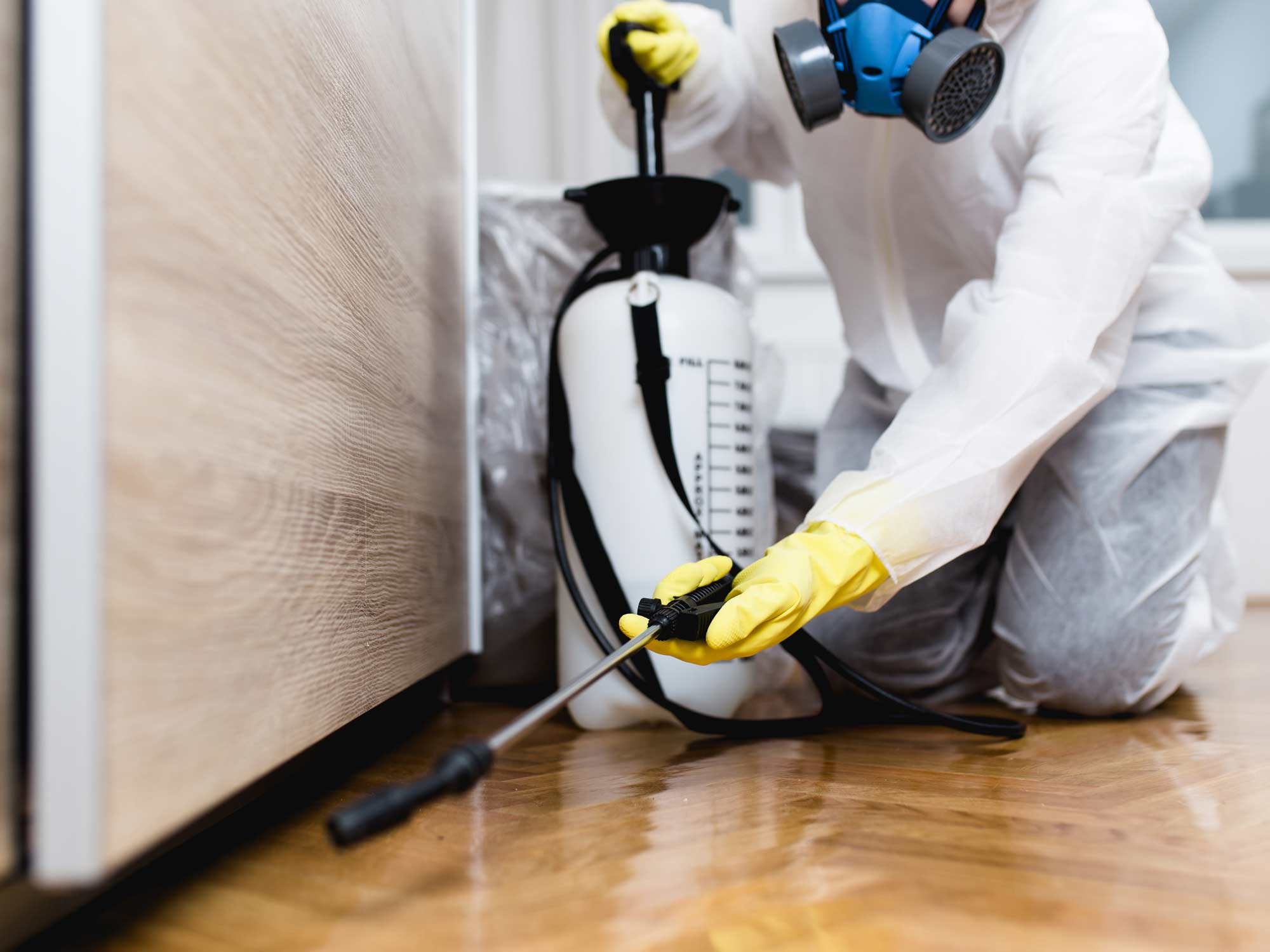
Pest control, who is responsible? Picture: Pest-Ex
So, in summary, when it comes to the pest issue, tenants should take care of the property and landlords should ensure a rental is pest-free before they rent it out.
It’s worth noting, too, that, pest control is a normal part of renting and should be addressed quickly to avoid outbreaks, regardless of who discovers the problem.
This article was originally published on
23 Sep 2020 at 9:00am
but has been regularly updated to keep the information current.