

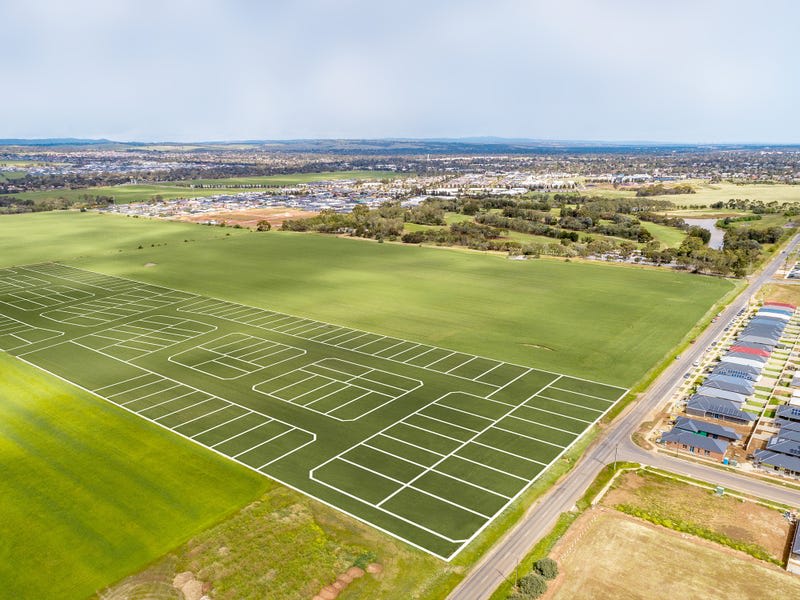
If you’re considering building a new home, understanding the process of land development is crucial.
From selecting the right plot to navigating local regulations, land development is the first step towards turning your dream home into a reality. Here’s a comprehensive guide to help you grasp the essentials of land development in 2024.
Why Consider Land Development in 2024?
Customisation: New builds offer the opportunity to customise your home to fit your lifestyle and preferences. In 2024, the trend towards personalisation is stronger than ever.
Modern Amenities: Take advantage of the latest smart home technologies, energy-efficient designs, and sustainable building practices.
Investment Potential: With the ongoing rise in property prices, developing land can be a profitable investment, increasing the value of your property over time.
Community Development: Engage in projects that contribute positively to your local community, such as eco-friendly developments and communal green spaces.
What is Land Development?
Land development refers to the process of preparing land for new construction.
It includes transforming the natural landscape into a site suitable for building homes, commercial properties, or community spaces. Sometimes the term green fields is used to describe this type of development.
What is the difference between land development and house and land development?
Land development generally relates to the subdivision of larger landholdings into smaller lots and the preparation of that land for sale as individual blocks to individual owners.
On the other hand, house and land developments allow buyers to secure a block of land and the construction of a new home in a single, streamlined process, involving two contracts – one for the land and another for the build.

Land development generally relates to the subdivision of larger landholdings into smaller lots. Picture: realestate.com.au/buy.
Dr Shane Geha, managing director and co-founder of rezoning company EG Advisory and Professor of Practice (Engineering) at the University of NSW, said the first consideration was to check the zoning as it would dictate what could be done with the land.
For land developments, a development application is lodged with the local council to permit the subdivision plan. This needs to be approved to allow physical works to take place.
“Physical works typically include the grading of the land; the connection to sewer, water and electricity services; curb and gutter works; road construction; paving; tree planting; fencing and landscaping,” Dr Geha said.
“Once all these works are done by the builder or the developer, individual parcels may then be sold.”
Frasers Property Australia General Manager Brand and Customer, Emily Wood, said there were a lot of fundamental considerations when it came to land development.
“When you buy a housing lot from a developer, you buy a block of land that has all the infrastructure in place such as roads and connections for power, water, sewage and other key services. These elements are the ‘hardware’ of land development,” Ms Wood said.
“But some developers also focus on the ‘software’ too. This includes community development initiatives, such as the creation of parks and places to meet, the availability of schools, childcare and transport, walkable neighbourhoods and a self-contained neighbourhood feel.
A house and land package is when the land is purchased and a determined house will be built on that land. Picture: realestate.com.au/buy
“Generally, those developments are considered ‘master-planned’ because they integrate more than just basic infrastructure. Once a block of land is bought and settled on with the developer, you can choose a builder of your choice to start building your home.
A house and land package is when the land is purchased and a determined house will be built on that land, or the home may already be built.
House and land packages can be built by the developer or one of their nominated partner home builders.
What is a land developer?
A land developer is a company or entity that takes zoned land and enables the approvals necessary for construction to take place.
“Land developers can also take land that is not appropriately zoned and rezone it for a multiplicity of market-based uses, including shops; homes; commercial and industrial facilities,” Dr Geha said.
Ms Wood said land developers also purchase large parcels of land to subdivide into smaller allotments to be sold to individual homebuyers.
Greenfield sites are areas of land that have not been developed previously, while brownfield sites are usually metropolitan areas that have been used for other building purposes. Picture: realestate.com.au/buy
“If the land doesn’t have the appropriate residential zoning, then the developer needs to seek to change the zoning with (the) council, and work with all the local and state government statutory authorities to secure all the required planning approvals for residential development. This enables the creation of roads, infrastructure and the other building blocks of a new community,” she said.
What is the difference between brownfield and greenfield?
Greenfield sites are areas of land that have not been developed previously, while brownfield sites are usually metropolitan areas that have been used for other building purposes and are usually surrounded by other developments.
Both greenfield and brownfield sites may need to be rezoned for future use. For example, a greenfield site could be farmland being transformed into a residential site, or a brownfield site could be an industrial site that is converted to residential.
Can I choose my own builder?
It’s possible to select your own builder if your land purchase is not part of a house and land package deal.
“If you contract with the development company in a house and land agreement, with an agreed scope, design and a set contract price, then you can only deal with the builder that you have contracted with,” Dr Geha said.
Ms Wood said if you buy a land lot, you can choose a preferred home design and builder, but you may need to seek appropriate approvals.
Land development can be found in almost every city. Picture: realestate.com.au/buy
“If you purchase a house and land package, then you will have typically already chosen your home design from a selection provided by the developer, which make the best use of the particular block you’ve purchased,” she said.
“The developer of the land will usually partner with an approved builder at the development or build your home themselves.”
Can land developments work together with house and land developments, or are they seperate options?
Land developments can work with house and land developments in certain cases.
Often buyers will have the option of either buying a vacant block and designing and contracting to build on it the home of their choice, or buying the whole package whereby the developer, for the agreed price and design, delivers to the purchaser both the home and the land upon which the home sits.
What are some land developments near me?
Victoria
The Grove – Tarneit, Melbourne
Mambourin – Wyndham Vale, Melbourne
Five Farms – Clyde North, Melbourne
Berwick Waters – Clyde North, Melbourne
New South Wales
Hillcroft – Claymore, Sydney
Newleaf – Bonnyrigg, Sydney
The Hills of Carmel – Box Hill, Sydney
Queensland
Brookhaven – Bahrs Scrub, Brisbane
Smithfield Village – Cairns
Ridgeview – Narangba, Brisbane
South Australia
The Entrance – Angle Vale, Adelaide
Springlake – Mount Barker, Adelaide Hills
Wattlefield – Munno Para, Adelaide
Western Australia
Port Coogee – Perth
Clementine – Upper Swan, Perth
Eden Beach – Jindalee, Perth
This article was originally published on
17 Sep 2021 at 4:50pm
but has been regularly updated to keep the information current.