

Australia’s second interest rate hike of the year will squeeze mortgage holders and test would‑be buyers, while the possibility of another blow in May looms.
The elevated rate and pressure upon households is set to shape investor sentiment and housing market activity that many experts are weighing in on.
Rethink Group CEO Scott O’Neill said the hike will cause extra stress, particularly for homeowners that have stretched their budget to buy their first house.
MORE: List: 25 banks that never pass on RBA hikes
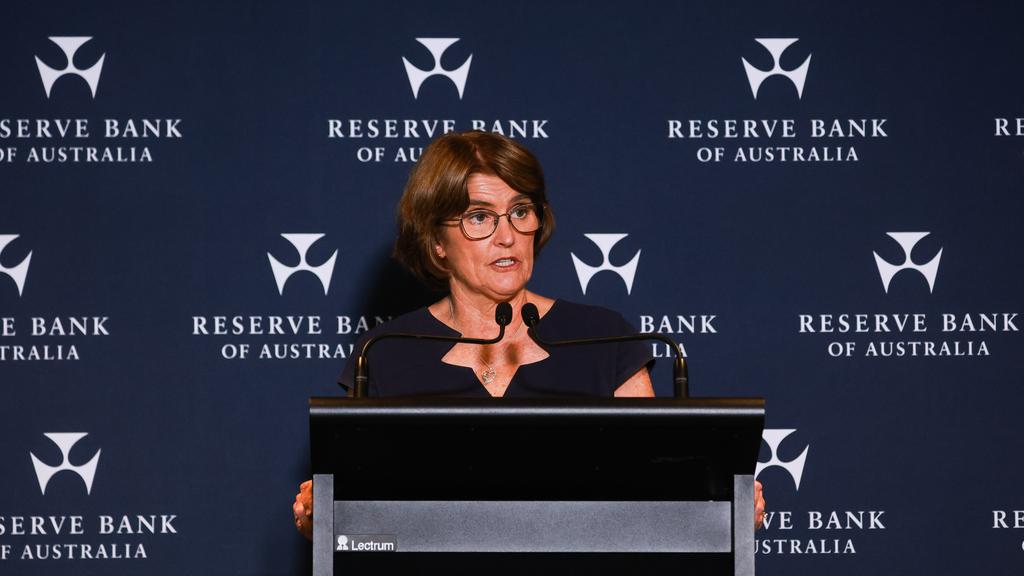
The RBA interest rate rise of 25-basis points to 4.1 per cent is the second of the year. Picture: NewsWire / Gaye Gerard
“There’s a lot of neutrally geared or negative cash flow properties out there, because everyone’s going for that growth,” Mr O’Neill said.
“There hasn’t been much focus on the cash flow side of things.
“There will be pressure that’s going to potentially lead to a couple of sales.”
Mr O’Neill said managing cash flow and investing smart is essential.
“This is a time that you maybe need to rethink, is this going to put my family under pressure?,” he said.
“If you’re already in the situation, you’re just going to have to save money where you can, maybe no holidays this year. You have to factor in that extra cost on your mortgage.”

Rethink Group CEO Scott O’Neill.
Mr O’Neill forecasts many investors moving away from buying houses and instead towards commercial property.
“We’re actually seeing more people flow in towards commercial already,” he said.
“Our leads are about 40 per cent up.”
InvestorKit founder and CEO Arjun Paliwal said the rate increase will tighten borrowing capacity further and could soften demand in some parts of the property market.
“Higher rates naturally place pressure on serviceability, which means some buyers step back or adjust their budgets,” he said.

Mr O’Neill forecasts many investors moving away from buying houses and instead towards commercial property.
Mr Paliwal said higher rates do not remove opportunity, but shift where it appears.
“We’re already seeing promising signals in certain regional areas where values remain below underlying fundamentals, along with mid-tier markets across several capital cities that are starting to rebuild momentum,” he said.
“When you zoom out, the long-term picture hasn’t changed.
“Australia continues to face constrained housing supply alongside strong population growth.
“Those structural forces are the foundation that has supported property values over time.”

Arjun Paliwal
Two Red Shoes mortgage broker and founder Rebecca Jarrett-Dalton said the hike is not just a number, but a mental load getting heavier — with refinancing shifting from a saving to cash flow conversation.
“We’re seeing less ‘new dream home’ talk and more ‘how do I keep what I’ve got’ talk,” Jarrett-Dalton said.
“If you aren’t knocking on your bank’s door, or having us do it for you, you are likely paying a loyalty tax you can’t afford.”
Ms Jarrett-Dalton said the bank of mum and dad is becoming a structural necessity for first homebuyers along with other family budgeting including adult children moving back home or parents moving in to consolidate costs.
MORE: RBA split decision: One vote swung $2,800 rate hike nightmare

Two Red Shoes mortgage broker and founder Rebecca Jarrett-Dalton
“We’re seeing a shift where people in their late 40s, not retirees, but Gen X, are looking to downsize from large family homes in places like Castle Hill simply to reduce their debt,” she said.
“This is opening up some stock, but for first home buyers, the stress test is brutal.
“They are being tested at rates three per cent higher than the current market.”
If fuel prices continue to rise, Ms Jarrett-Dalton said this will be a massive blow to borrowing capacity for those in the outer suburbs or regional areas.
“We’ve seen cases where a simple spike in fuel and grocery costs has stripped $20,000 to $40,000 off what a family can borrow, before the interest rate hike is even applied,” she said.

Experts predict rising fuel prices will be a blow to borrowing capacity. Photo: Alexi J. Rosenfeld/Getty Images
Ms Jarrett-Dalton pointed to smart government action to reform stamp duty – the economic handbrake trapping people in unsuitable homes – to spur downsizing or moves closer to work, freeing up housing.
She also highlighted the infrastructure-population gap.
“We’re seeing a strain on housing and suburbs that simply aren’t being maintained or expanded at the rate they need to be,” Ms Jarrett-Dalton said.
“Whether it’s better suburban maintenance or aligning population levels with actual housing infrastructure, we need a plan that goes beyond ‘just pay more for your mortgage.
“It’s time to stop worrying about the optics and start worrying about the families who can’t find or keep a roof over their heads.”