


From side hustles born out of a garage to full-blown entrepreneurial ventures, a new generation of Aussie creators are taking the plunge, driven by the dream of building their own brand. But once the creative spark has flown, the most important question looms: how on earth do you actually get your product made?
For many, the promise of lower production costs in countries like China, Vietnam, or India, means that the answer lies offshore. However, navigating the world of overseas manufacturing can be a daunting task, filled with potential pitfalls.
“Some suppliers have invested in more in-house resources to help start-ups or scaling brands which takes away some of the technical experience required getting your products made correctly,” said Giovanni Pino, founder of Sourci, a supply chain management company that helps brands and retailers source, develop, manufacture, and distribute products from around the globe.
Bangladesh is fast-emerging as a manufacturing hotspot. Picture: Getty
From navigating quality control and logistics, to the ethical and sustainable impact of these production choices, the process of bringing a product to life can be complex.
“For more complicated products that require product development there are no short or easy wins. It still involves quite a bit of challenging work,” Mr Pino said.
How to choose your manufacturing country
The first step in going global isn’t finding a factory, it’s choosing a manufacturing country. While cost is often the primary driver, there are lots of other factors at play.
Your product requirements should guide your country of manufacture. However, when it comes to the obvious go-to, Mr Pino said China still reigns supreme.
“China is still the place for almost all products,” Mr Pino said. “Their access to raw materials, new technology and an understanding of the western market and how we do business, really cements them as the number-one for manufacturing.
“If anything, there should be caution with suppliers in the surrounding South East Asian areas, as they are still underdeveloped and inexperienced, both from a technical standpoint but also trade.”
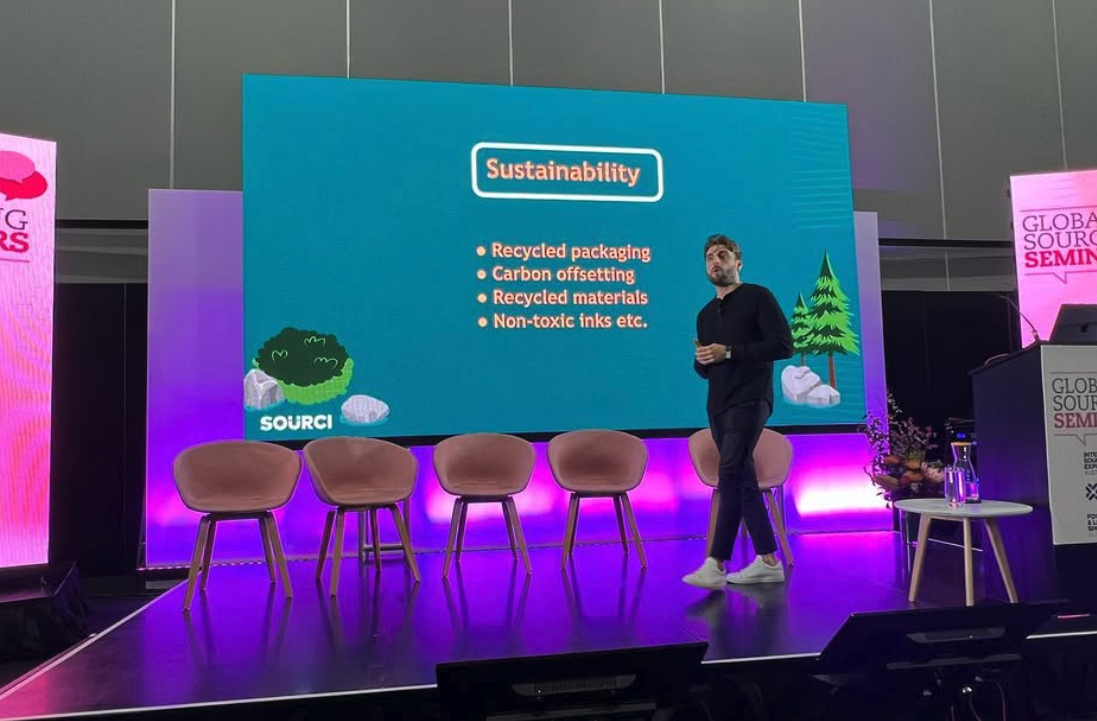
Sourci co-founder Giovanni Pino at the International Sourcing Expo. Picture: Instagram
However, while China is generally the first port of call, different nations have their strengths – take Bangladesh as an example.
“(Bangladesh’s) pros are access to cotton and raw materials for textiles and incredibly cheap labour, so they can be far more competitive in price than China,” Mr Pino said. “But, on the flip side, Bangladesh’s minimum order quantities are far higher and this creates a high barrier to entry.
For example, many of Bangladesh’s factories require thousands of units of one style of t-shirt as a minimum whereas China may only be a few hundred.
A business owner must also look at geopolitical events and determine the political stability of a country, he said.
“Bangladesh had several weeks of riots and issues recently, which shut down or delayed production by months,” Mr Pino said. “If you are a scaling or large brand, your production schedule need to be rock solid to hit key sales dates. Being behind a month can ruin your sales and growth for the year.”
Separating the factory wheat from the chaff
When searching for a reputable factory partner, a good starting point is to look for manufacturers who hold certifications from reputable organisations like Fair Trade, the Supplier Ethical Data Exchange (Sedex), or the Global Organic Textile Standard (GOTS), depending on your industry.
However, while certifications provide a baseline, it’s essential to conduct your own audits and build a strong relationship based on trust and transparency.
“The most common mistake I see Australian businesses make is falling in love with the first supplier, or the cheapest supplier they find,” Mr Pino said. “It’s like finding a partner; you don’t get married after one date.
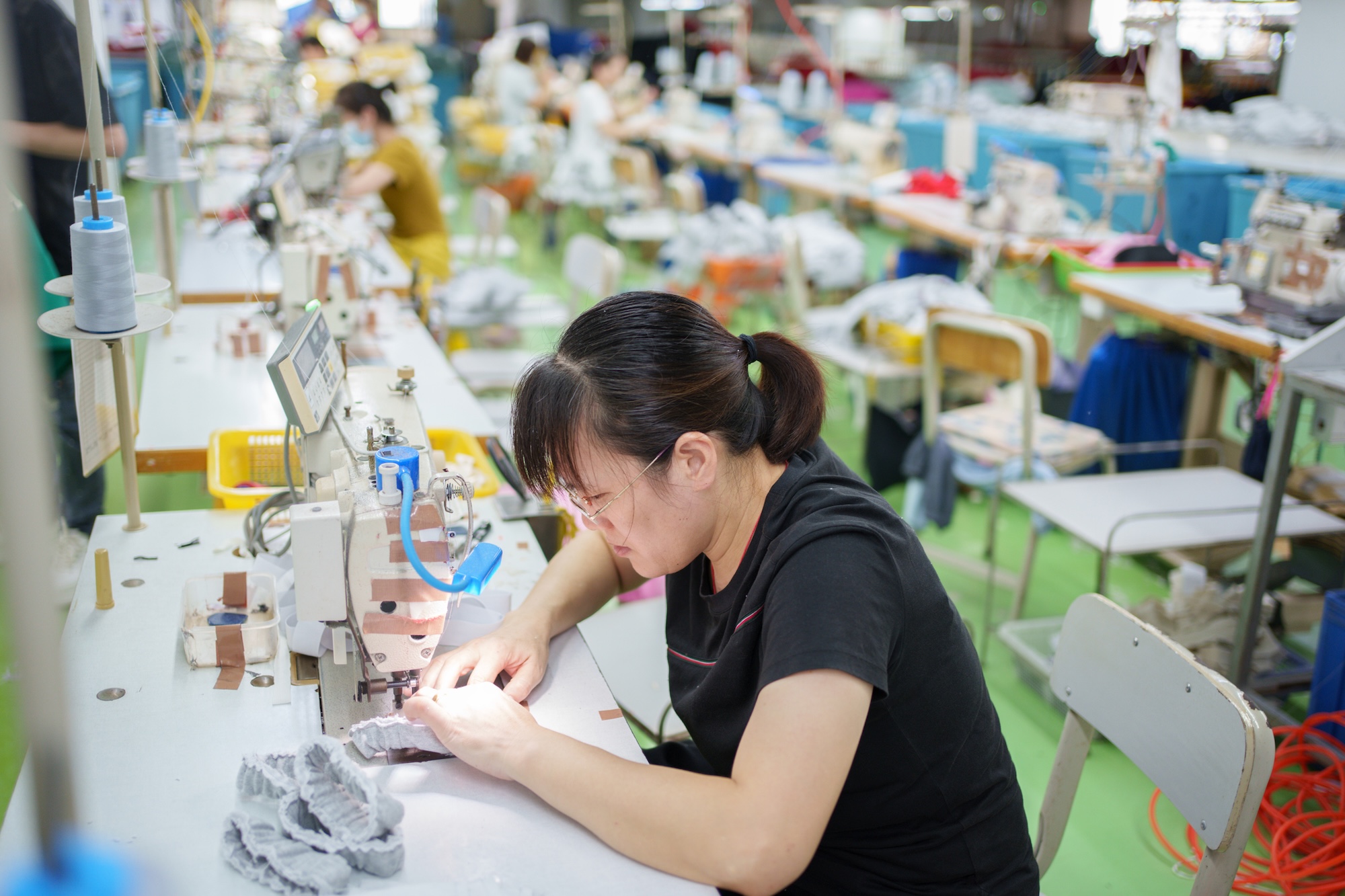
China remains number one for overseas manufacturing, but other countries are worth a look. Picture: Getty
“I always recommend organising a third party audit on the factory through a company like SGS. That way you can get real understanding of who they are, the quality control they have in place, their company structure and management.
“It’s always good to visit your suppliers and build that face-to-face relationship. Also, ask about their staff retention, and see if they have had the same staff for years. This is great insight into the standards and culture of the business.
“Good companies in China and overseas retain their staff – it’s the easiest way to know if they are creating a safe and positive work environment.
“Bonus points if you bring gifts like TimTams and Australian vitamins and beauty products; they love it.”
Navigating the practicalities of logistics and quality control
While any responsible business needs to be mindful of ethical and sustainability considerations, the practical aspects of overseas manufacturing – quality control and logistics – remain vital.
Implementing robust quality control measures that include not just product specifications, but also checks on working conditions and environmental compliance, might involve hiring third-party auditors who specialise in ethical sourcing.
“The best way to manage quality control is to be working with a highly regarded supplier from the get-go,” Mr Pino advised. “You will have fewer headaches even if the costs are slightly higher.
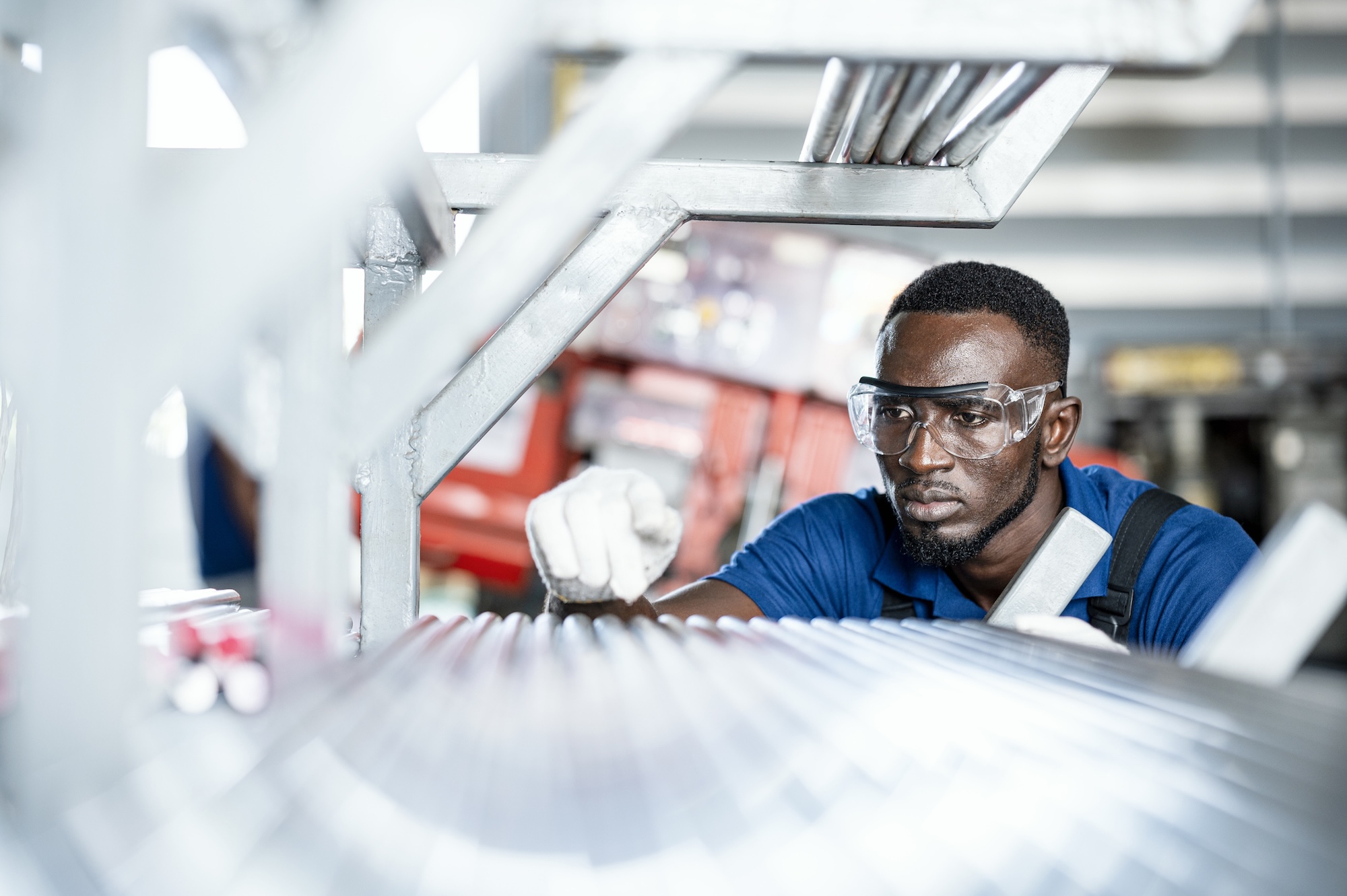
Doing your due diligence with a manufacturing partner is a must. Picture: Getty
“The next step is to bring in a quality control inspector or team who will inspect your goods during, and at the end of production, to ensure they have been made correctly.
“Be cautious, ask questions, and speak to many suppliers to begin with. Organically, over time, the right supplier will reveal itself and you and your brand will be infinitely more successful because of this due diligence.”
Balancing cost and conscience
Simply adhering to ethical practices isn’t enough; transparency is key. Businesses need to be transparent about their manufacturing processes and sharing their ethical journey with their customers in an effective way without it feeling like a ‘box ticking’ marketing gimmick.
“There is a very strong narrative around sustainable and ethical products and social media has opened a channel for brands to tell their stories around this,” Mr Pino said.
You must also consider the country’s ethical and environmental track record, he said. Reports of unsafe working conditions, child labour, and environmental pollution in some overseas factories have put a spotlight on the need for greater accountability.
“Not every product is sustainable, or can be made sustainably,” Mr Pino said. “But, all brands can do things like biodegradable packaging and, if you’re committed to being carbon neutral, you can find companies that will offset your production and freight emissions.”
“Finding a supplier that aligns with, not only your company and product goals, but your ethical ethos, is critical to ensure as little disruption to your sales and growth.
For Australian businesses venturing into overseas manufacturing, the message is clear: go global, but do so with your values as your compass.
“By prioritising ethical and sustainable practices, you can navigate the complexities of the global marketplace and build a business that thrives while making a positive difference.”