

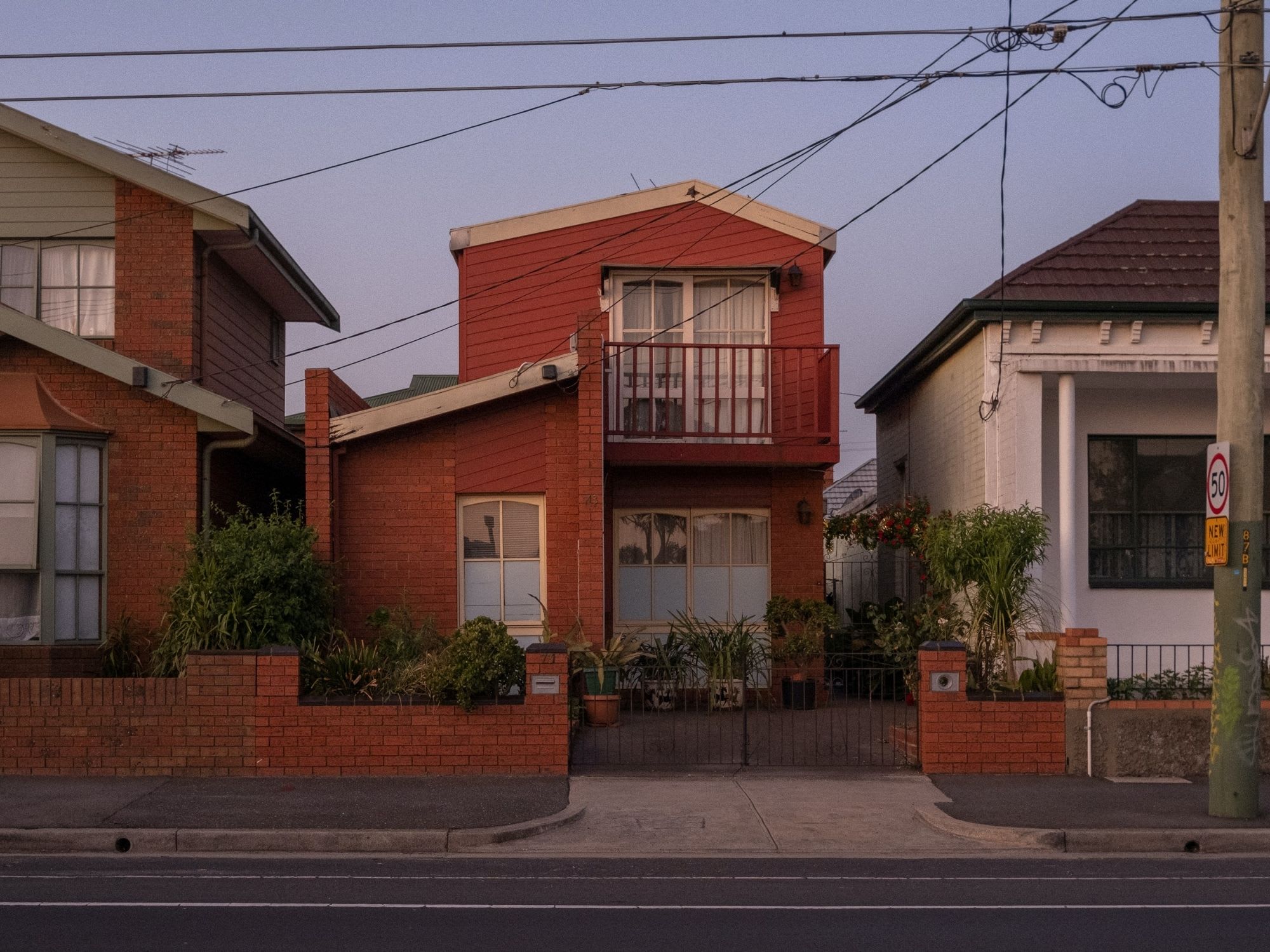
If you’re looking for a new place to call home, don’t forget to take note of some potential rental issues.
Finding a good rental can be tough, but it’s important not to rush the inspection process.
Know your rights, give yourself enough time to inspect a property thoroughly and don’t be afraid to ask a few questions before signing the lease.
We’ve rounded up a few features to remember for your next inspection.
1. Is there asbestos in your rental?
When inspecting a property, consider whether it was built before the mid-1980s when asbestos was commonly used. Look out for any areas where asbestos might be deteriorating or disturbed.
Asbestos was traditionally used in the eaves, walls in wet areas and ceilings. Structures outside the home such as garages, sheds and bungalows tend to be older and in disrepair, so they are potentially a higher risk.
There are regulations around asbestos and rentals. However, tenants still need to be aware of the risks and loopholes.

When inspecting a rental, always ask questions instead of waiting to be told — including if there is asbestos on the property. Picture: Getty
Your rental provider has a legal obligation to disclose if any dangerous or toxic substances has been found in the premises, including asbestos.
However, if the rental provider is perhaps aware there is asbestos, but has not formally had the property professionally inspected, they don’t have to volunteer the information. You have to ask.
Before signing the lease, just ask if there’s asbestos in the property. If they don’t tell you, they could be breaking the law.
If you suspect your rental property has asbestos and plan on making any minor modifications, remember to take appropriate precautions and engage a professional if you are in doubt.
If you have any concerns that you may have been exposed to asbestos, it is important to make your treating doctors aware of your exposure. You should also register your details on an asbestos exposure database, like with Maurice Blackburn.
2. Look for evidence of leaks
There may not be water dripping from the ceilings, but don’t forget to cast your eyes upward and all around for any signs of leaks.
This could include discolouration in the walls or ceilings, warped wood, laminate peeling off benches or cabinets, streaks and stains down the walls (look around your windows too), or — the worst case scenario — mold.
3. Inspect for mold
Mold, especially black mold, can be hazardous to your health. So, give all rental properties a thorough up-and-down to ensure it’s not going to be a problem. Look in and around sinks, taps, showers, bathtubs and in grout for any signs.
Keep an eye out for evidence of mold or leaks. Picture: Getty
Mold can also be painted over or bleached but not eradicated, making it almost impossible to detect. While this makes things harder, you can also consider features like ventilation and weigh up whether it’s sufficient.
4. Open the cupboards
Don’t forget to open cupboards and cabinets to see if it’s all good under the hood, so to speak.
While COVID-19 safety procedures resulted in many rental providers asking prospective tenants not to touch handles and doors, remember you’re still entitled to see inside the cupboards. Just ask the landlord or agent to do the honours.
5. Take photos
Thoroughly document the condition of a property before signing anything. The landlord is obligated to provide you a condition report — a summary of the state of the property. However, things do get missed and you should have your own evidence.
While capturing noticeable flaws is a good start, don’t stop there. Get photos of every wall, door, light, window, floor and ceiling — you never know what might be needed.
6. Google the address
Plug the exact address into Google and see what comes up. Not only may you find great places to eat nearby, you may also find evidence of not-so savoury features, such as bad property reviews.
Give the address a Google and then go drive-by after hours to see how the neighbourhood functions at night. Picture: Unsplash
You may also want to consider doing some internet (or council) research on proposed construction in the area, nearby flight paths and the reputation of your leasing agent.
7. Drive by at night
Inspect your property at different times of the day. You don’t want to sign a year-long lease only to find your new home is behind an underground nightclub!
8. Where’s the sun?
Good real estate agents will often pick a nice time of day to show a property and are likely to brighten up photos on the listing.
Checking the direction and aspect of the sun can be important in heating, cooling and light. You may find your clothesline never actually sees sun, or that in summer, the hot afternoon sun streams right into your living room.
9. Where are your power points?
Have you ever planned the layout of a room only to realise you’ll need three extension cords and a power board to make it work?
Note the position and number of the power points before you decide where to put your TV or fridge.
10. You can negotiate
While negotiating is certainly harder in a competitive market, there are still opportunities for you and your landlord or property manager to compromise.
You can always try and negotiate the rental price, your move-in date and the length of your lease. You can ask for features to be fixed and repaired — as they should be for the property to be deemed liveable — and even enquire about a new paint job.
Landlords aren’t always so scary. Oftentimes, they’re looking for quality tenants; their goal is to operate a smooth and reliable investment.
So, don’t be afraid to ask questions — especially ones you’re entitled to know.